
Loose lead walking: Walk together without pulling
· 3 min read
You have barely stepped outside before your dog pulls towards the next interesting spot. You stop, they briefly turn around, and a few steps later the lead is tight again. If that sounds familiar, a more precise training plan will help more than another long walk full of corrections.
Loose lead walking means moving together with slack in the lead. Your dog does not have to keep looking up at you or stay glued to your leg like in competitive heelwork.
Start where walking together is possible
A calm environment makes the beginning more manageable. Your dog should have a chance to toilet and briefly orient themselves before the exercise starts. Choose a lead that is comfortable to handle and equipment that fits well.
Dogs Trust recommends rewarding walking on a loose lead and avoiding situations where pulling continually gets the dog to the destination they want. The foundation is a gradual, friendly approach. The guide to loose lead walking describes this method.
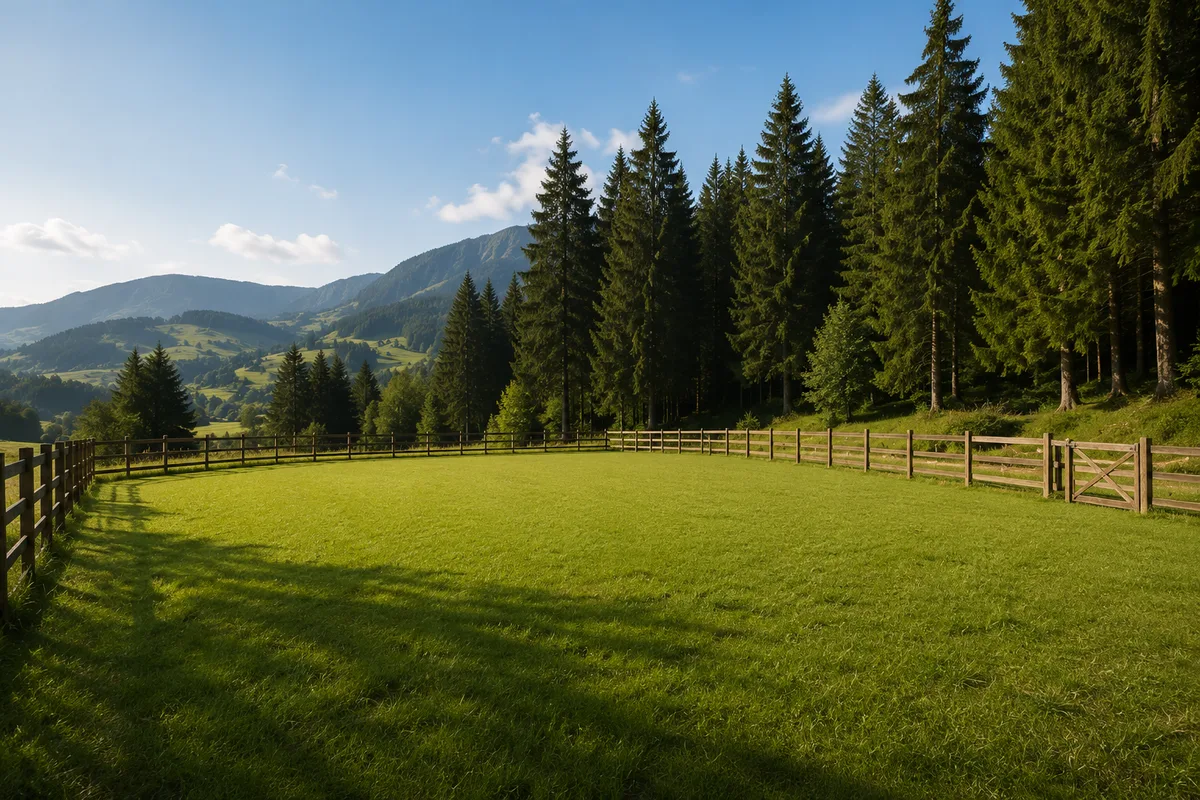
A private, sufficiently calm area can serve as a first practice location. Later, your dog also needs to learn the behaviour under different conditions.
A short exercise instead of a whole route
At first, do not set a distance you absolutely have to complete. Choose a small area without a specific destination.
- Wait for a moment when your dog is beside you and the lead is loose.
- Walk a few steps and reward while the lead remains loose.
- If it becomes tight, stop calmly without jerking it. Invite your dog back into a suitable position.
- Restart with an easier version and take a break after a few successful repetitions.
The reward should arrive where you want your dog to walk, not far in front of your hand. Otherwise, you may create exactly the forward movement you are trying to change.
If your dog is no longer responsive at all, repeatedly running through the same process usually helps little. Increase the distance from the trigger or find an easier location.
Sniffing can be part of the walk
A walk consists of more than lead exercises. Include sections where your dog is allowed to explore within a safe radius.
You can use a familiar release cue to signal that it is now time to sniff. Make sure the lead does not become a hazard to other people or dogs during this time either.
Example: You practise a few loose steps on a quiet section of path. Afterwards, you walk together to an accessible place to sniff. This means your dog does not have to complete a long, difficult section before being allowed to engage with the environment.
Why it works on the field but not in the neighbourhood
The same movement pattern can be considerably more difficult in a new environment. Smells, traffic and other dogs change the task.
Ask for less at first outside. If ten steps are easy on the training field, two good steps in the neighbourhood can be a sensible starting point. The number is not a training law, only an example of smaller expectations.
Note the places where it becomes easy or difficult. A dog that always pulls in front of the same driveway may need more distance from that exact spot.
How do you recognise progress?
Observe whether the lead stays loose more often and whether you need to help less. That tells you more than asking whether you can already complete an entire walk «perfectly».
Pain, a suddenly changed gait or unusual refusal should be assessed by a vet. If you can barely hold your dog physically, ask a professional to show you suitable equipment and handling.
Compare training areas on DogOasis if you are looking for a suitable place for short, manageable practice sessions.