
Teach your dog to settle: Relax step by step
· 3 min read
Your dog has been on a long outing. Even so, they pace around at home and can hardly settle. Adding yet another activity may seem obvious, but it does not necessarily solve the actual problem.
Rest needs suitable conditions. A familiar place, a predictable routine and demands your dog can manage are often more helpful than a day that keeps getting fuller.
Lying quietly and being relaxed are not the same thing
A dog can lie on a blanket while tensely watching every movement. Look at more than body position: Does the body appear loose? Can your dog look away from the environment? Are they actually settling into a break?
Changes such as persistent pacing or suddenly disturbed sleep can also have health related causes. If the restlessness is new, pronounced or persistent, have it assessed by a vet.
For training, it is best to begin in a situation where calm behaviour already occurs occasionally.
Make a resting place pleasant
Choose a mat and a place where your dog likes to stay. The blanket does not need to look special. It should be comfortable, stable and appropriate for the environment.
Dogs Trust recommends rewarding calm behaviour first with little distraction and only making the environment more difficult later. The guide to settle training explains how small calm moments can become a familiar routine.
Place a reward down calmly instead of using a quick movement that encourages your dog to get up again. Choose something that does not immediately create frantic anticipation.
A simple start at home
Sit down in a quiet place and put the familiar mat within easy reach. Your dog can stay there without you holding them in place or pressing them onto the blanket.
Acknowledge brief, suitable moments. Later, you can make a small movement yourself, such as lifting your hand. If the situation remains easy, follow with another calm reward.
This is not a rigid sequence that you have to complete from beginning to end. If your dog gets up, you do not need to turn it into a conflict. Check whether they need to toilet, need water or whether the exercise is simply too difficult right now.
Start small again outdoors
A blanket that works well in the living room is not a guarantee of relaxation on an unfamiliar field. Lower your expectations there.
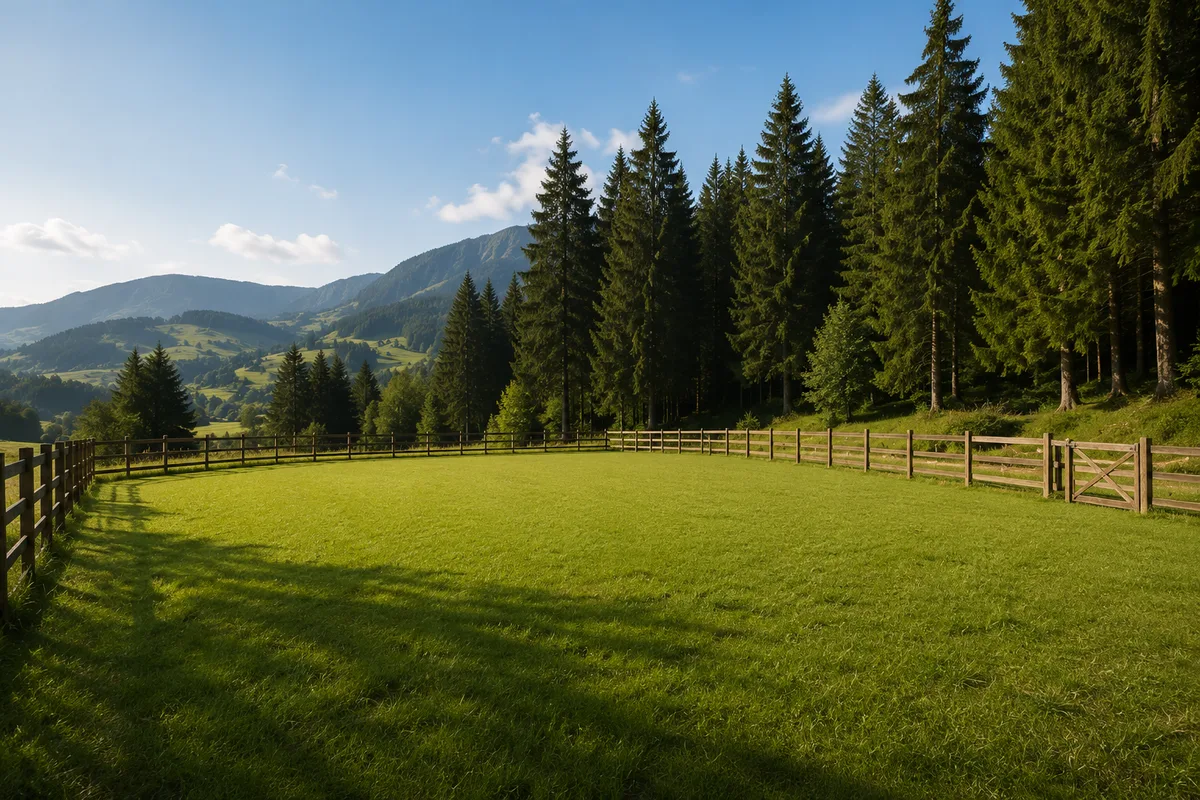
Choose a pleasant, quiet area away from the gate and fence. Give your dog time to arrive first. Afterwards, you can briefly stay there together before continuing.
For a first visit, it may be enough that the mat feels familiar at all. A dog does not need to fall asleep on a new field on the first attempt.
Three common stumbling blocks
- Too much distraction: Right beside a busy path, settle training may turn into constant watching.
- Too much duration: The exercise stays easier if you end it before your dog becomes increasingly restless.
- Constant talking: If every head movement is commented on, there is little opportunity to disengage from the surroundings.
At the same time, a calm everyday routine does not mean removing all exercise or activity. The goal is an appropriate balance that fits your dog.
Plan recovery as specifically as activities
Before the next outing, you can decide where you will be able to take a break and how you will go home if your dog becomes overwhelmed. A plan like this prevents booked time from turning into a compulsory programme.
Compare private dog fields on DogOasis if you are looking for a suitable place for short visits with breaks. Pay attention to the actual surroundings because exclusive use alone does not make a place calm.