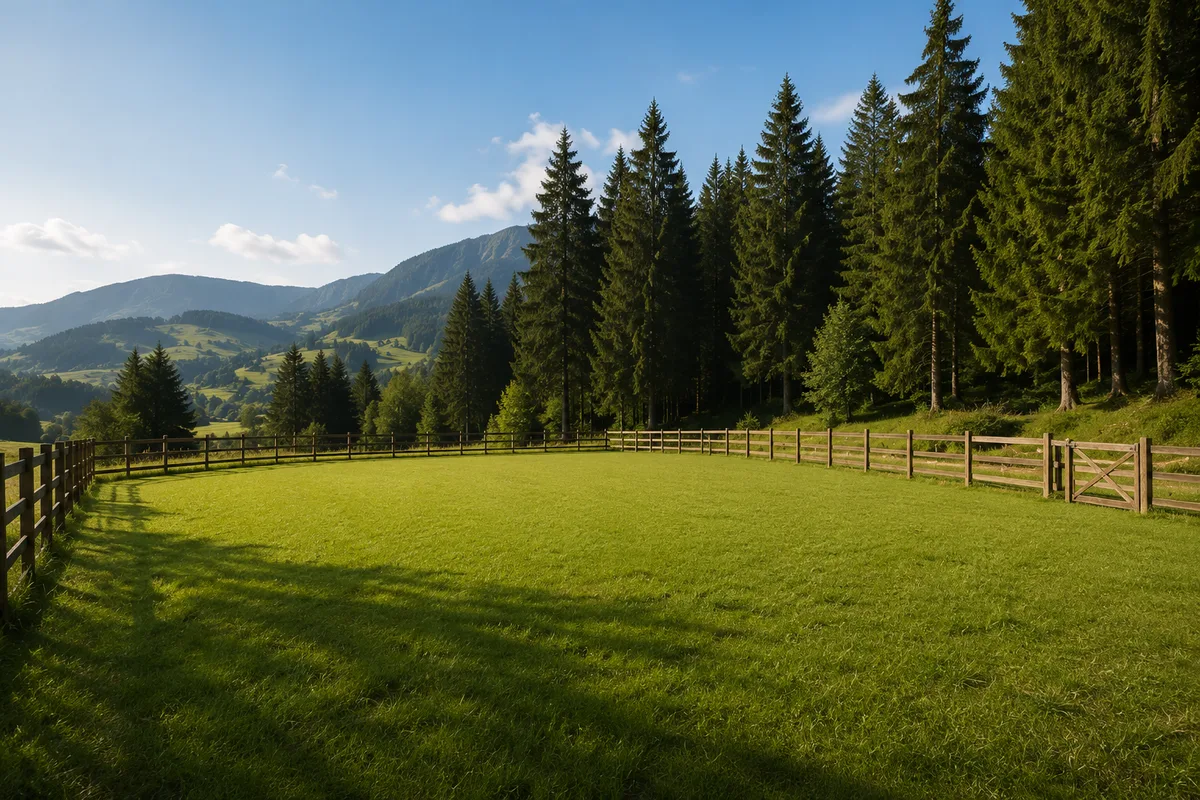

Sniffing games for dogs: Learn to search in three stages
· 3 min read
You hide a few rewards in the grass. Your dog finds two but then wanders around looking confused. You keep pointing to the remaining pieces and wonder whether scent work is right for them at all.
Perhaps the task was simply too difficult. Sniffing games also need a clear introduction. If you deliberately choose the search area, material and level of distraction, you can better see which challenge your dog can manage right now.
Prepare the search before your dog starts
Choose a clean, clear spot without broken glass, rubbish or plants your dog should not pick up. Food games must be permitted on a rented field.
Use only a few suitable pieces and count them as part of the daily food allowance. Work with one dog at first so that no competition develops. If your dog swallows objects indiscriminately or needs a special diet, ask a professional which activity is suitable.
Battersea describes food search games and how to increase them gradually. The important thing is an achievable beginning where your dog can succeed.
Stage 1: Finding can be very easy
Place a few pieces visibly in a clearly defined area. Your dog may watch you prepare them. With a friendly start cue, they can begin picking them up.
This first stage is not a demanding scent test. It explains the process: A task begins here, something can be found in this area, and then the game ends.
Finish the round once the area has been searched. Collect leftovers instead of letting your dog search indefinitely for the final unknown crumb.
Stage 2: See less, still find successfully
Once the process is familiar, you can include some short grass. Keep the search area similarly small and change only the surface at first.
Do not add more food, a longer wait and a larger area at the same time. Otherwise, if your dog struggles, you will not know which step was too much.
A useful sign is that your dog continues working independently and can solve the task. If they repeatedly look at you, leave the area or become frantic, help them achieve an easier success and reduce the demand next time.
Stage 3: A new place with the familiar process
Move to another calm section within the same suitable area. Make the task easier again there at first.
This allows you to practise that the search cue has meaning in more than one exact location. You do not need increasingly elaborate hiding places.
Do not choose locations where your dog would need to dig, search along fences or damage someone else's objects. The search should fit within boundaries you would also want to allow later.
How long should a sniffing game last?
There is no number of minutes that suits every dog. Difficulty, weather, experience and how your dog feels that day all change the level of effort. Plan a few small rounds with breaks instead.
You can deliberately stop after a successful search while your dog is still enjoying it. They do not need to be exhausted before the activity «counts».
The common claim that a specific number of minutes of sniffing replaces exactly one hour of walking is also not a sensible basis for planning your individual routine.
A search log makes progress visible
Note the search area, surface and amount of help. For example: «Small area, short grass, found every piece without pointing.» This makes the next task easier to plan.
If things go less well in a new place, move back one stage. A private field can offer more manageable conditions if the environment and rules fit.
Discover dog fields on DogOasis and use one small, well prepared search area on your next visit rather than the entire field at once.