
Train your dog's recall: Make coming back worthwhile
· 3 min read
At home, your dog comes straight away. Outside, they seem to have forgotten their name. That is frustrating, but it is also useful information: Recall has not yet been practised enough in this environment.
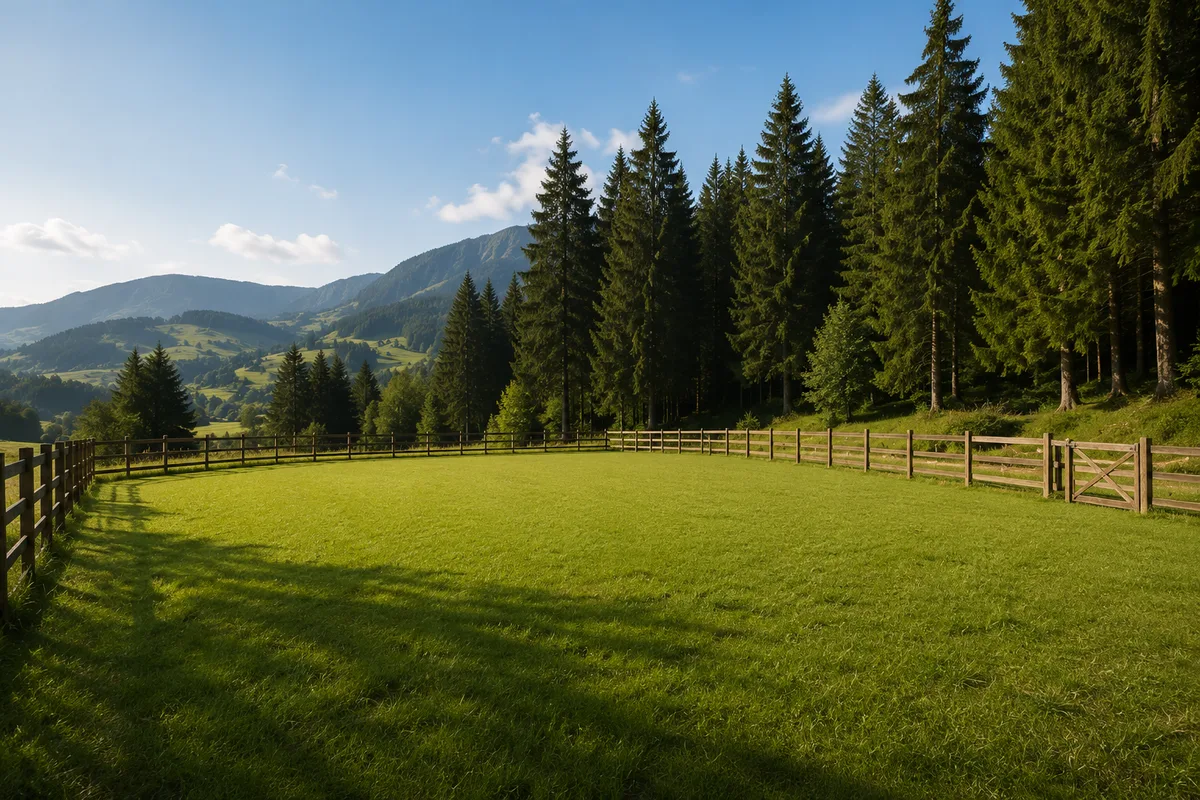
A good place to start is a clear, secure area with few distractions. There you can build the behaviour of coming back without also having to watch an open path or road.
Recall starts with a positive expectation
Your dog should learn: When this cue is given, running back to you is worthwhile. Choose one clear word or whistle signal that everyone involved uses in the same way.
Start at a short distance. Get your dog's attention, give your recall cue and reward them as soon as they reach you. Choose something they genuinely like in that situation. Do not repeat the cue continuously, and do not scold your dog if they come back late. Dogs Trust also recommends these basics for recall training.
Three questions before every exercise
Before you call your dog, take a brief look at the situation:
- Can my dog notice me right now? A dog racing excitedly along the fence has a different task in front of them from a dog walking calmly across the field.
- Is the distance appropriate? A few steps are enough to begin with.
- Do I have a suitable reward ready? Only starting to look for one when your dog is standing in front of you interrupts the flow.
This turns a spontaneous test into a deliberately chosen exercise.
A short practice session on the field
Give your dog time to arrive first. Then use a calm moment when they are not completely absorbed by a smell or another stimulus.
Call your dog to you once. If they come, reward them and then release them to explore again. After a break, you can add another easy repetition. Recall should not announce the end of the outing every time. Battersea also recommends giving dogs freedom again after successful recalls.
A small goal is enough for a first session: Your dog experiences several times that the cue is clear and that coming back is worthwhile. You do not need a full hour of recall training for that.
Increase distractions gradually instead of changing everything at once
Before your next visit, think about what you want to change. A little more distance? A different corner of the same field? A new environment that is still calm?
If you change the location, double the distance and practise next to playing dogs at the same time, it will be hard to know which demand was too difficult if something goes wrong. Keep most conditions familiar and change only one thing at first.
A simple note can help: location, distance, distraction and response. For example, write «quiet corner, short distance, came straight away» instead of «recall good». A specific observation makes the next exercise easier to plan.
What if recall does not work?
Stay calm and make the situation safe. Move closer if you can do so safely, and make the next attempt easier. An unsuccessful attempt is no reason to raise your voice.
Outside a suitable fenced area, a correctly handled long line attached to a well fitting harness can provide additional security. A lead is not a tool for jerking your dog back to you.
If your dog frequently runs off or you cannot reliably keep the situation safe, seek support from a qualified, reward based dog trainer.
When is your dog ready for more freedom?
A successful recall on a familiar field is progress. It does not yet show that your dog will respond in the same way around wildlife, unfamiliar dogs or in a new environment. Assess each of these situations separately and follow the local rules.
A private area can give you space to practise. Find a suitable dog field on DogOasis and start with a task your dog can succeed at.